• Detroit: the Importance of Revitalizing Infrastructure

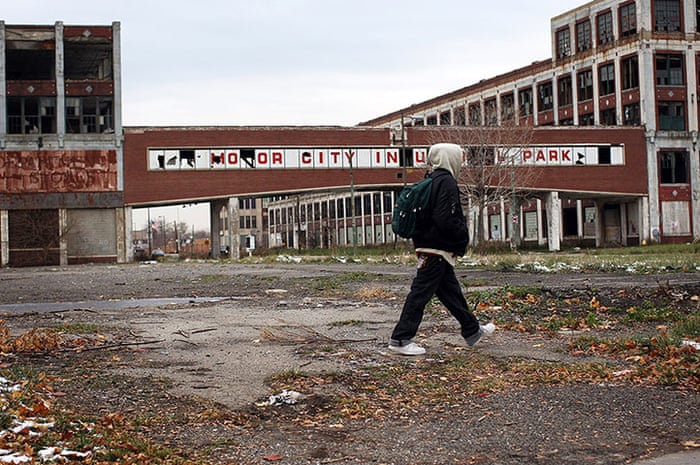
    Detroit: a city in decline - in pictures | Cities | The Guardian

    Introduction: Detroit’s infrastructure is a relic of its industrial heyday. Revitalizing this infrastructure is essential for the city’s future.

    The Impact of Decay: The decaying infrastructure contributes to the city’s sense of abandonment. This physical decline mirrors the emotional toll felt by residents who have seen their city change.

    A Practical Solution: Rebuilding infrastructure, from roads to utilities, would improve the daily lives of Detroit’s residents. The cost of living is already low, making improvements even more feasible.

    Detroit’s Resilience: Detroiters have faced challenges for decades, but they remain committed to the city’s revival. Their resilience forms the backbone of any potential revitalization.

    Conclusion: Investing in Detroit’s infrastructure would not only improve the city but also provide opportunities for new growth. The time to act is now.

  • Detroit: A City of Potential

    Spirit of Detroit undergoes routine maintenance

    Introduction Detroit, often seen as a city in decline, holds the potential for rebirth. Despite its struggles, it offers a rare opportunity for growth through revitalization.

    Emotional Connection to Detroit: Detroit’s culture, from Motown to punk rock, forms an emotional backbone of the city. The murals, music, and resilience echo the city’s enduring spirit.

    A City Ready for Growth: Detroit offers affordable housing, established infrastructure, and space for expansion. Its central location by the Great Lakes makes it ideal for future economic development.

    Detroit’s Rich History and Culture: The city’s cultural heritage, combined with its capacity for rebirth, speaks to Detroiters’ resilience. Investing in Detroit honors both its past and future.

    Conclusion: Detroit’s revitalization is not just a dream, but a potential reality. The city has everything it needs—history, resources, and people—to rise again.

  • Detroit: Why it Sounds Like Nowhere Else

    Detroit's Techno Pioneer And The Birth Of Rave | The Revolver Club | The  Revolver Club

    Intro: Cities have sounds, and Detroit’s is unmistakable. A combination of soul and grit, and grind Detroit’s music tells a story. A story shaped by geography, race, class, and community.

    Where Music Meets Identity: Detroit’s socio-economic conditions not only influenced who makes music it shaped they how they make it. Genres like techno, hardcore, and hip hop each emerged from communities facing different challenges and used music as a mirror.

    A Culture of Respect: One of Detroit’s defining traits is reverence for its musical past. Today’s artists, whether in punk, techno, or rap, often cite the legends before them, blending old-school influence with modern edge.

    Murals and Messages: Detroit’s creative culture extends beyond sound. As Leonieke Bolderman notes, public murals and urban art speak to heritage, gentrification, and pride. Music here is part of a larger ecosystem of expression.

    Conclusion: Detroit’s life style doesn’t just produce music, it produces meaning. With every riff, beat, and verse, the city’s culture, struggles, and spirit come through. Detroit’s sound is, and always has been, unapologetically real.

  • Detroit: The Evolution of Underground Sound

    Introduction: When people think of Detroit music, Motown often takes center stage. But beneath the polished hits of past, Detroit has been cultivating one of the most vital underground music cultures in America from garage rock to techno to hardcore punk.

    Motown’s Legacy and What Came After: Motown laid the groundwork, giving Black musicians a black owned platform and global reach. But as the industry changed, Detroit evolved too. The city’s underground started pushing boundaries, giving rise to DIY punk scenes, techno pioneers, and garage rock heroes like The White Stripes.

    Kinship Over Competition: Unlike hypercompetitive hubs like LA, Detroit’s music culture thrives on camaraderie. According to researcher Alan Pawluszka, kinship is central: “People from the city helping people from the city.”

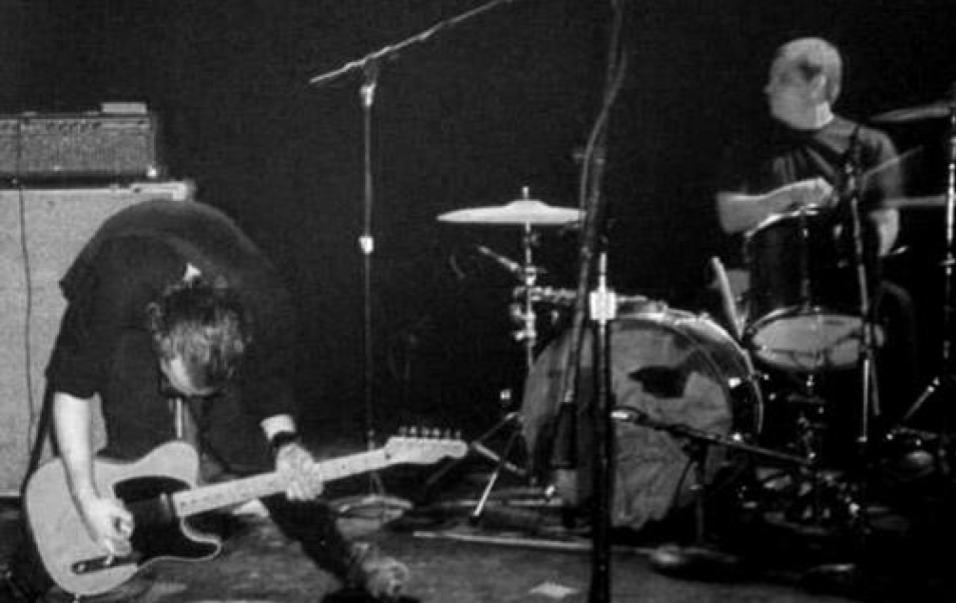
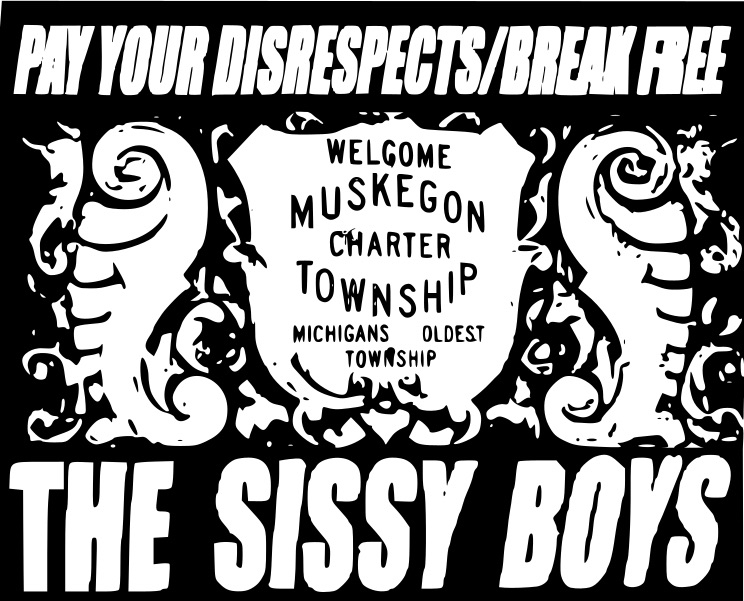
    Modern Movements: Events like Tied Down Festival show that Detroit is still birthing high energy scenes. Hardcore bands like my brothers band The Sissy Boys, Bad Beat, Anhedonia, and King’s Command are growing and playing all over the county and carrying Detroit’s legacy forward through their authenticity.

    Conclusion: Motown may be Detroit’s past, but the city’s present is defined by creative rebellion. From the many underground movements to massive hardcore and electronic music festivals, Detroit’s music scene proves that the spirit of innovation never left.

  • Detroit: How the City’s Hardships Defined Its Sound

    Introduction: Detroit’s music is a direct reflection of its streets tough, raw, and soulful. From the Motown grooves of the ‘60s to the electric chaos of modern hardcore, the city has always created soundscapes that mirror its struggle, resilience, and authenticity.

    Music Born from Adversity: Decades of economic decline, population loss, and political neglect didn’t crush Detroit; they gave it texture. Artists channel these challenges into their art, whether it’s the heart-wrenching soul of Aretha Franklin or the gritty rap of Danny Brown.

    A City of Hustlers: Detroit’s do-it-yourself ethos is deeply embedded in its music. With fewer industry gatekeepers than LA or NYC, artists often rely on each other and grassroots networks.

    Sound as Social Commentary: Bob Seger’s lyrics lament blue-collar hardship, while punk and techno reflect urban decay and middle class rebellion. These aren’t just genres they’re sub-cultures

    Conclusion: Detroit’s sound isn’t manufactured it’s alive. The city’s economic hardships have forged a music scene that’s not only original but deeply human.